Kenya recruitment agencies can help an international employer source local candidates, but the right partner depends on the work you need done after the first shortlist. For recurring professional hiring, choose a firm that can show its sourcing process, screening evidence, service levels, replacement terms, and employment or payroll support. A 2026 directory guide lists 15 agencies in Kenya, which is a useful starting point but not a selection method.
Let's talk about your hiring need
15 minutes to scope the role and see what a remote team could look like.
Start with the hiring model, not the agency name
The best agency for your company is the one that matches your employment model and role volume. Before you contact providers, decide whether you need candidate sourcing only, full recruitment process outsourcing, temporary staffing, payroll administration, or an employer-of-record arrangement.
These models solve different problems:
| Your situation | Service to request | What the provider should own |
|---|---|---|
| One or two permanent hires | Contingent recruitment | Sourcing, screening, interview coordination |
| Several similar hires each quarter | Recruitment campaign | Pipeline creation, screening rules, reporting, replacement process |
| A short project or seasonal workload | Temporary staffing | Worker engagement, scheduling, timesheets, replacement |
| You have chosen candidates but no Kenyan entity | Payroll or EOR support | Local employment administration, payroll, statutory compliance |
| You want a long-term embedded team | Managed staffing | Hiring, onboarding, day-to-day support, retention and escalation |
Do not ask an agency to quote before defining this scope. A low recruitment fee can become expensive if your team still has to source candidates, check documents, run payroll, and manage every replacement.
What employers should check in Kenya recruitment agencies
Employers should evaluate a Kenya recruitment agency on five practical tests: role fit, candidate evidence, compliance ownership, communication, and commercial terms. These tests matter more than a large candidate database or a polished provider list.
1. Role and market fit
Ask for recent examples involving the same role family, seniority, language, and work arrangement. A provider that fills Nairobi office roles may not have the reach or process for remote customer support, finance operations, software development, or sales roles distributed across Kenya.
Ask these questions:
- Which Kenyan cities or talent communities do you actively source from?
- How many comparable roles did you fill in the last 12 months?
- Which parts of the search are direct sourcing, referrals, job boards, or subcontracting?
- Can you recruit English- and French-speaking professionals when the role requires both?
- Who owns the candidate relationship after placement?
The answer should include evidence, not just industry labels. Request an anonymized sample shortlist or a description of the screening rubric.
2. Candidate screening
Screening quality is easier to judge when the agency shows its work. Ask how it verifies employment history, identity, qualifications, work authorization, references, and technical or language skills.
For remote roles, add practical checks that local hiring teams sometimes miss:
- Internet and backup connectivity
- Availability during your operating hours
- Written and spoken communication
- Home-office or coworking requirements
- Data-security and confidentiality expectations
- Experience working with international managers
Do not treat a CV review as a complete screening process. Your agreement should state which checks are included, who pays for them, and when you receive the evidence.
3. Compliance ownership
The Kenya State Department for Labour and Skills Development lists labour-market information, labour disputes, occupational safety, and foreign-contract services among its responsibilities. That makes the division of responsibility important when an overseas company hires in Kenya.
Ask the provider to explain, in writing, who handles the employment contract, payroll calculations, statutory deductions, leave records, employee files, workplace issues, and termination process. If the provider only recruits, say so clearly. Recruitment does not automatically transfer employment obligations to the agency.
For an international employer, the key question is simple: who is the legal employer on day one? If the answer is unclear, pause the process until local counsel or a qualified employment partner reviews the structure.
4. Communication and service levels
An agency should give you a named account owner, a reporting cadence, and a response standard. A weekly email that says “we are still searching” is not a hiring process.
Set measurable service levels for:
- Intake completion after the role briefing
- First qualified shortlist
- Candidate response time
- Interview scheduling
- Reference and background-check turnaround
- Offer support and acceptance
- Replacement handling if the hire leaves early
Time-to-fill is useful, but it can reward weak shortlists. Track qualified-candidate rate, interview-to-offer rate, offer acceptance, early attrition, and hiring-manager satisfaction as well.
Compare provider types before you compare providers
Kenya recruitment agencies are not interchangeable. A local recruitment firm, global staffing partner, EOR platform, and freelance marketplace may all appear in a search, but they carry different responsibilities.
| Provider type | Best fit | Main strength | Main limitation |
|---|---|---|---|
| Local recruitment agency | Permanent local hiring | Market knowledge and candidate relationships | May not manage international payroll |
| Recruitment process outsourcing partner | Repeated hiring campaigns | Process ownership and reporting | Needs clear volume and role definitions |
| Staffing or managed-services firm | Ongoing team capacity | Can combine hiring with worker support | More operational cost than sourcing alone |
| Employer of record | Hiring without a local entity | Employment administration | Usually does not replace specialist sourcing |
| Freelance marketplace | Project or contractor work | Fast access to independent workers | Less continuity and employer-side support |
2026 vendor comparison: placement fees and vetting timelines
The following comparison uses the service tiers and timelines each provider publishes or confirms publicly in 2026. Where a provider does not publish a placement fee or guaranteed screening SLA, treat the item as quote-based and put the exact terms in the agreement.
| Provider | Placement fee tier (2026) | Talent vetting timeline | Best fit |
|---|---|---|---|
| BrighterMonday | Tier 1: job listing, public listing price not shown; Tier 2: Pro Recruit, quote-based; Tier 3: Executive Recruitment, quote-based. No public percentage placement fee was found. 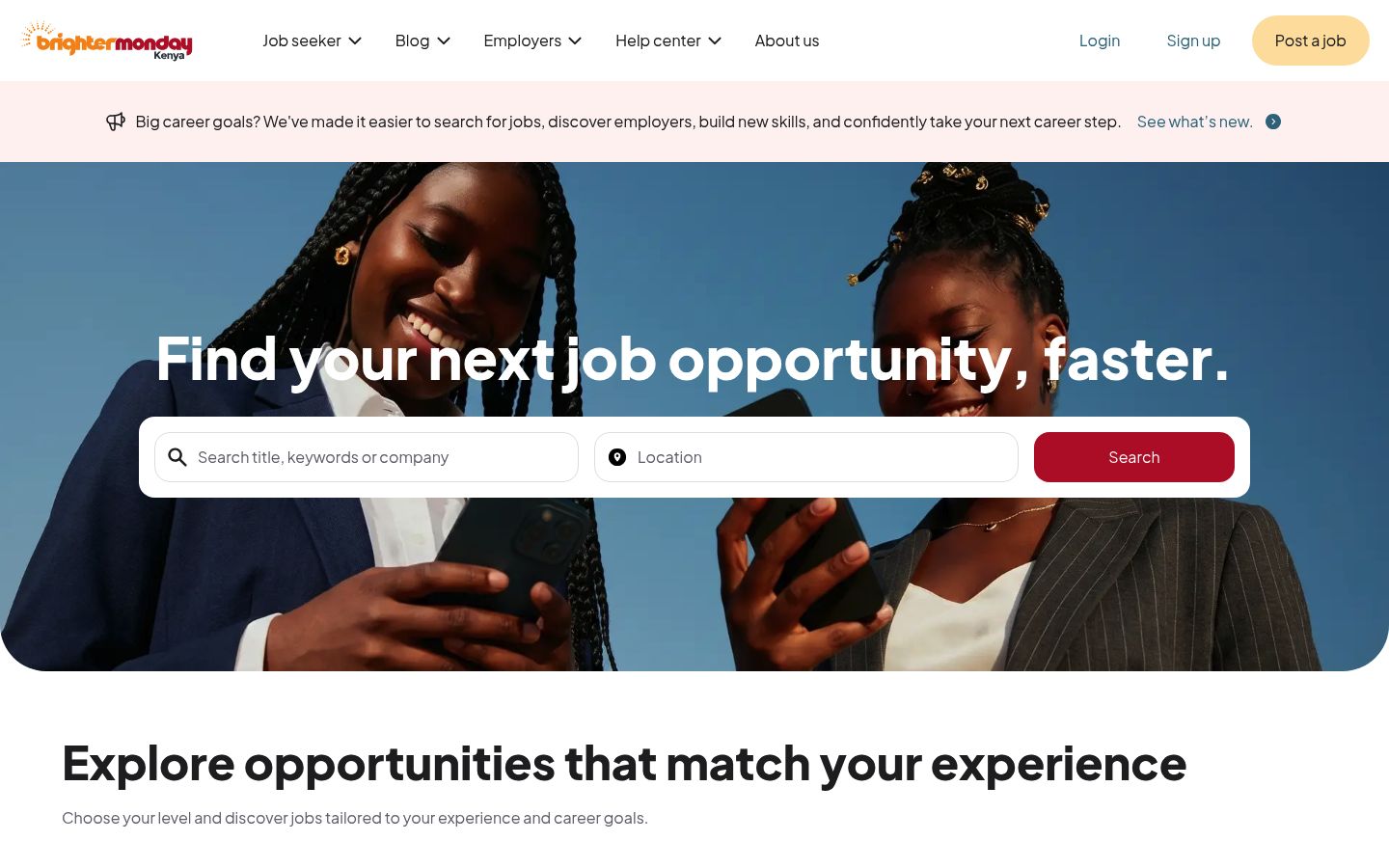 | 5-7 working days for five pre-screened candidates through Pro Recruit. Executive-search timing is agreed for the mandate. | Mid-level, senior, and technical hiring when you want a defined shortlist. |
| Shortlist | Tier 3: retained or bespoke executive search, quote-based. Shortlist does not publish a standard placement percentage or flat-fee schedule. 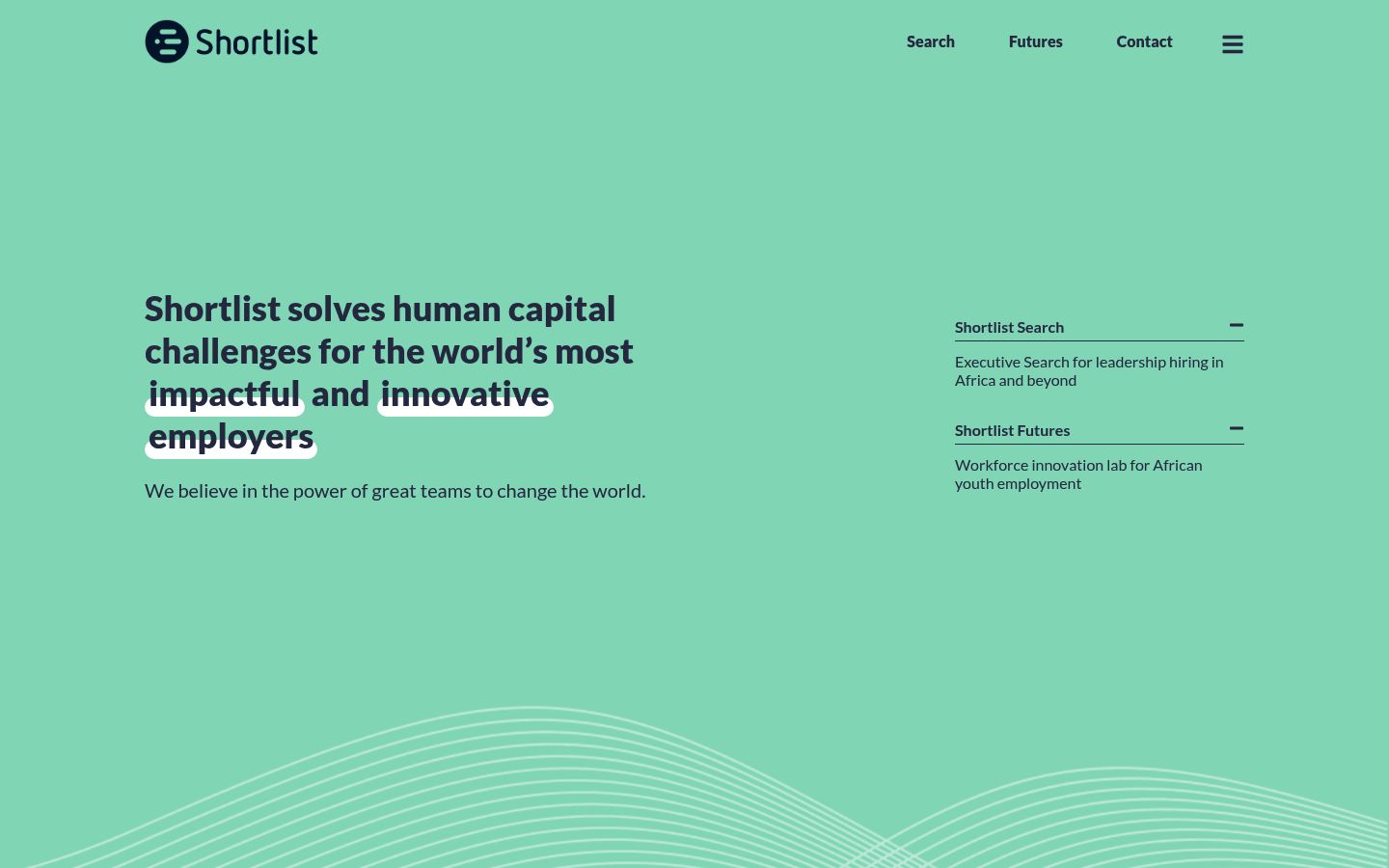 | No public fixed SLA. Vetting is part of a custom executive-search process, so agree the shortlist date and assessment steps before signing. | Senior, fractional, and board-level appointments across Africa. |
| Conexo | Tier 2: managed international hiring, monthly quote-based pricing rather than a separate published placement fee. The commercial proposal should state the monthly talent cost, onboarding charges, and replacement terms. 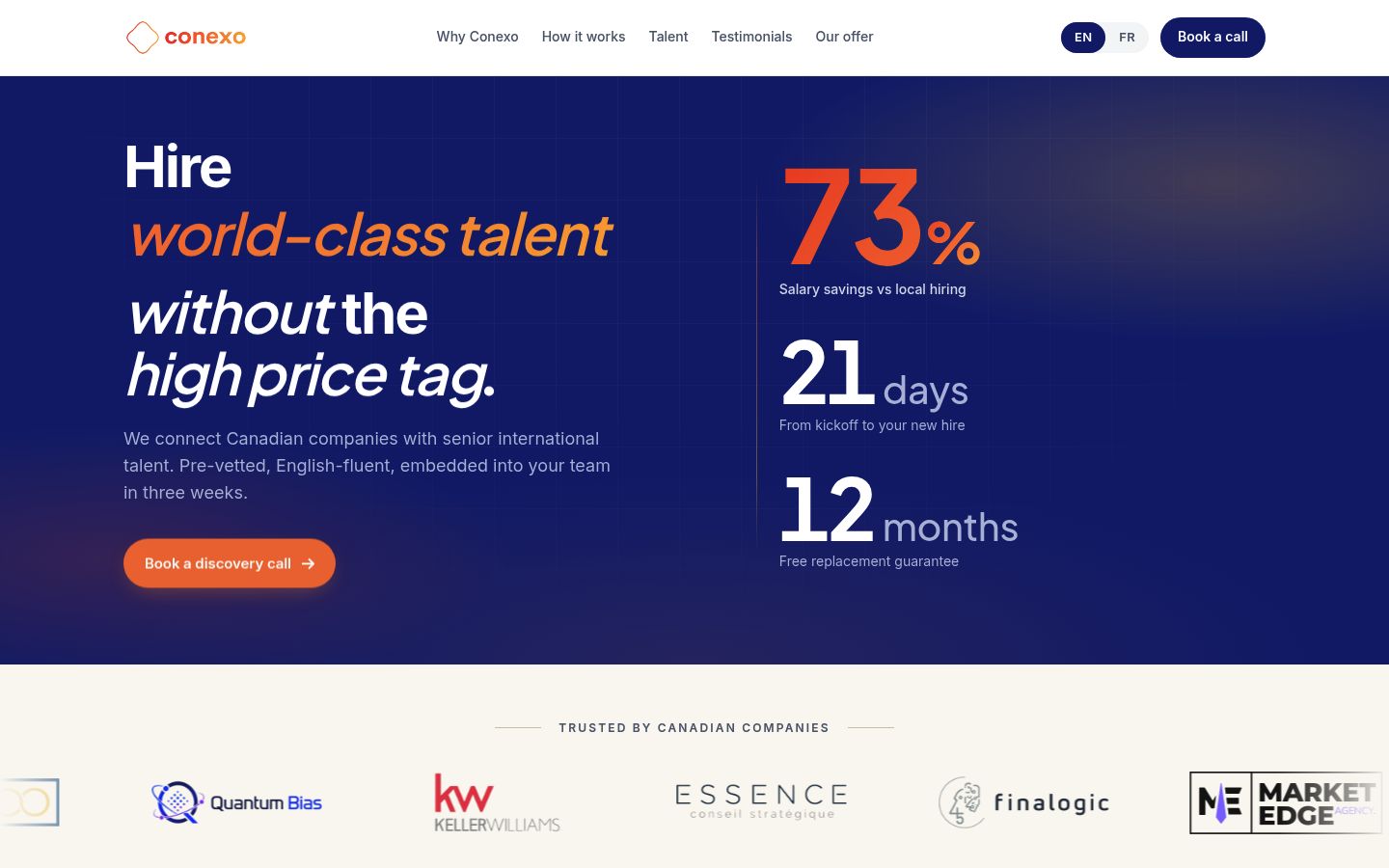 | 3-4 weeks from briefing to finalist shortlist. Conexo says it reviews 50+ candidates, runs 10-30 fit interviews, uses skills assessments, and presents the top three. | Employers that want recruiting, contracts, payroll, compliance, and ongoing support through one international partner. |
These tiers are not interchangeable. A job listing fee buys access to applicants, an executive-search fee buys a targeted mandate, and managed hiring pricing includes work after the shortlist. Compare the total scope, not just the headline fee.\n\nFor context, Conexo hires international talent across more than 50 countries, with established presence in Kenya, Madagascar, the Philippines, India, Morocco, and South America. That model is different from a Kenya-only search: it can fit an employer that wants one hiring partner across several countries, not just a local shortlist.
If you are comparing an EOR with a recruiter, start with the difference between an employer of record and an international recruiting agency. If your decision is between a marketplace and managed staffing, use the freelance platforms versus offshore staffing comparison to separate contractor access from ongoing team support.
Build a fair request for proposal
An employer request for proposal should give each agency the same brief. Otherwise, the lowest quote may simply exclude work another provider included.
Include:
- Role descriptions, seniority, must-have skills, and salary or budget range.
- Expected hiring volume and whether the roles are recurring.
- Work location, schedule, time-zone overlap, equipment, and connectivity requirements.
- Interview stages and the people who approve a hire.
- Required checks, documentation, contract type, and start-date target.
- Reporting requirements and the definition of a qualified candidate.
- Fee structure, invoicing currency, taxes, replacement guarantee, and termination terms.
- Data-protection expectations and permission to contact references.
Ask every provider to return the same five deliverables: proposed process, timeline, team assigned, commercial terms, and two relevant client references. This makes the decision easier to defend internally.
Questions to ask before signing
The final interview with an agency should test operational detail. Ask what happens when the first shortlist fails, a candidate accepts a competing offer, or an employee needs support after onboarding.
Useful questions include:
- What does “qualified candidate” mean in your contract?
- How many candidates will you present before we review the search strategy?
- What happens if a placed employee resigns during the guarantee period?
- Which employment and payroll tasks are included, and which are excluded?
- Can we speak with a client that hired similar roles remotely?
- How do you protect candidate and employer data?
- Who can approve a change in scope or fee?
- What reporting will we receive each week?
The agency that answers clearly is usually safer than the one that promises the fastest result. You are buying a repeatable process, not just access to resumes.
Common mistakes international employers make
International employers often choose a provider from a generic “top agencies” list and skip the operating questions. That approach produces a shortlist of names but leaves the buyer to discover gaps in screening, payroll, compliance, and replacement support.
Other common mistakes include:
- Comparing percentage fees with flat fees without comparing included work
- Treating EOR administration as a substitute for role-specific recruitment
- Asking for “the best talent” without defining the hiring manager’s criteria
- Ignoring time-zone overlap and communication standards
- Failing to name the legal employer before making an offer
- Measuring speed but not six-month retention or candidate quality
- Signing a broad exclusivity clause before testing the provider
The guide to recruitment costs by region can help frame the regional cost question, but it should not replace a role-level comparison. The right choice depends on the work, risk, support model, and expected hiring volume.
A practical decision rule
Choose a local Kenya recruitment agency when you need local market access for a defined set of roles and your company already owns employment administration. Choose a managed staffing partner when you need recurring hiring plus operational support. Choose an EOR when you have selected the employee and need a compliant employment structure without setting up a Kenyan entity.
Choose a multi-country partner when Kenya is one part of a wider hiring plan. Conexo’s focus on international talent and English- and French-speaking professionals is relevant for companies building distributed teams across several markets, not only for a single Kenya vacancy.
The strongest provider is not the one with the longest list of services. It is the one that accepts clear ownership for the work you need, shows how it measures quality, and makes the remaining responsibilities visible.
FAQ
What should employers look for in Kenya recruitment agencies?
Employers should check role experience, sourcing methods, screening evidence, compliance ownership, service levels, reporting, and replacement terms. Ask for comparable placement examples and a written explanation of what the agency does after a candidate accepts an offer.
How do I compare recruitment firms in Kenya?
Give each firm the same role brief and compare qualified-candidate rate, process, timeline, assigned team, included checks, fees, and replacement coverage. Do not rank agencies by a directory position alone.
Can a Kenya recruitment agency handle payroll?
Some providers offer payroll outsourcing or employer-of-record services, while others only source candidates. The contract should identify the legal employer and state who handles contracts, deductions, leave, records, and employee issues.
What is the difference between recruitment and staffing in Kenya?
Recruitment usually ends when a candidate is hired. Staffing can include the worker relationship, payroll, scheduling, ongoing support, and replacement, so it fits employers that need continuing operational help.
Is an employer of record the same as a recruitment agency?
No. A recruiter helps you find and assess candidates, while an employer of record handles employment administration through its local structure. Some partners provide both, but you should verify each service rather than assume it is included.
Are Kenya recruitment agencies suitable for remote international teams?
They can be, if they can source for remote work, assess communication and connectivity, support international interview schedules, and explain employment responsibilities. A multi-country partner may fit better when the same employer is hiring in Kenya and other regions.
Related articles
- Deel or a Recruitment Agency for Global Hiring?
- Plateformes de travail indépendant ou dotation en personnel externalisé?
- Coûts de l'externalisation offshore par région
Sources & References
- Outsource Accelerator: Top 15 recruitment agencies in Kenya - 2026 provider-list structure and employer selection criteria.
- Corporate Staffing Services - example of Kenyan recruitment, payroll, HR, and EOR service categories.
- Kenya State Department for Labour and Skills Development - official labour-service responsibilities and employment resources.